

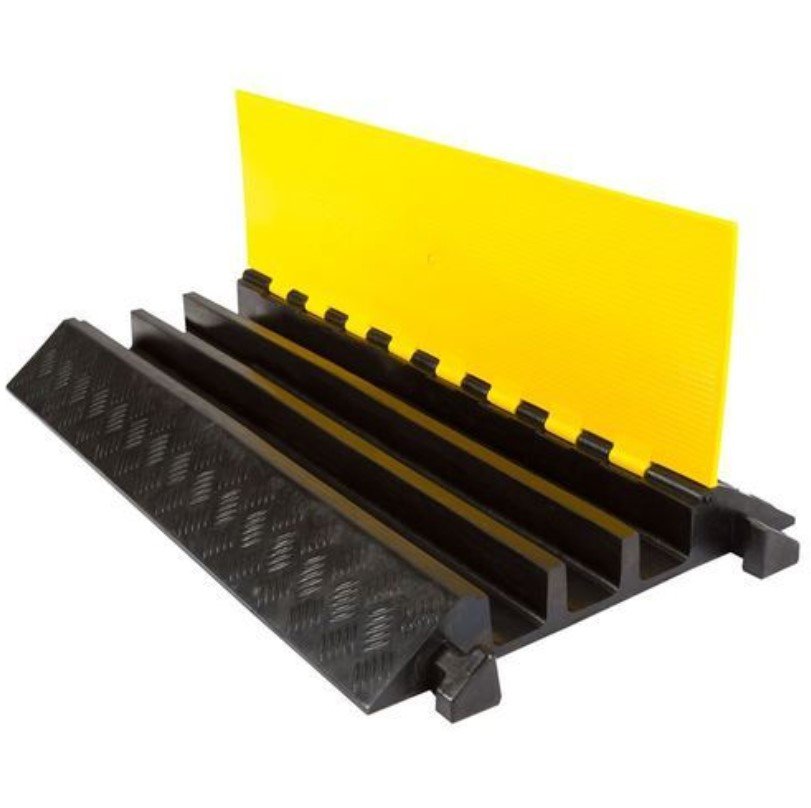
Managing cables effectively is more than just an organizational task—it’s a matter of safety, durability, and efficiency. Whether you’re setting up a workspace, organizing a home entertainment system, or securing cables in an industrial setting, selecting the right Cable protectors can make a significant difference. With various types, materials, and applications available, understanding your specific needs is essential before making a choice.
What Are Cable Protectors?
Cable protectors are specially designed covers or enclosures used to shield electrical wires and cords from damage caused by foot traffic, vehicles, environmental factors, or general wear and tear. They help prevent accidents such as tripping hazards and electrical malfunctions, ensuring both safety and longevity of your cables.
These protectors come in different shapes and sizes, from simple cord covers for home use to heavy-duty cable ramps designed for industrial environments.
Why Choosing the Right Cable Protectors Matters
Selecting the wrong type of Cable protectors can lead to inefficiency, increased maintenance costs, and even safety risks. For example, using lightweight protectors in high-traffic areas may result in quick damage, while bulky industrial protectors may be unnecessary for home use.
The right choice ensures:
- Enhanced safety for people and equipment
- Longer lifespan of cables
- Better organization and aesthetics
- Compliance with safety regulations in professional environments
Types of Cable Protectors
Understanding the different types of Cable protectors is the first step in making an informed decision.
1. Floor Cable Covers
These are commonly used in homes and offices. They lie flat on the floor and protect cables from foot traffic. They are usually made of rubber or PVC and are ideal for low to moderate traffic areas.
2. Cable Ramps
Cable ramps are heavy-duty Cable protectors designed for outdoor or industrial use. They can withstand vehicles and heavy machinery, making them perfect for construction sites, events, and warehouses.
3. Cord Concealers
Cord concealers are used for aesthetic purposes, especially in homes. They hide cables along walls or baseboards, providing a clean and organized look.
4. Spiral Wraps and Sleeves
These flexible Cable protectors bundle multiple wires together and offer protection against abrasion. They are commonly used in computer setups and entertainment systems.
Factors to Consider When Choosing Cable Protectors
Selecting the right Cable protectors requires evaluating several important factors. Here’s what you should keep in mind:
1. Environment
Where will the cables be used? Indoor environments require different solutions compared to outdoor or industrial settings.
- Indoor use: Lightweight and flexible protectors
- Outdoor use: Weather-resistant and durable materials
- Industrial use: Heavy-duty cable ramps
2. Traffic Level
Consider how much traffic the cables will be exposed to.
- Low traffic: Simple floor covers
- Moderate traffic: Durable rubber protectors
- High traffic: Heavy-duty cable ramps
3. Cable Size and Quantity
The number and thickness of cables play a crucial role in your selection. Choose Cable protectors with sufficient channel space to accommodate all wires without overcrowding.
4. Material
Different materials offer varying levels of durability and flexibility:
- Rubber: Durable and slip-resistant
- PVC: Lightweight and cost-effective
- Polyurethane: Highly durable and weather-resistant
5. Safety Features
Look for features that enhance safety, such as:
- Anti-slip surfaces
- Bright colors for visibility
- Fire-resistant materials
Benefits of Using Cable Protectors
Using Cable protectors provides multiple advantages beyond just protecting wires.
Improved Safety
Loose cables can cause trips and falls. Properly installed Cable protectors minimize these risks, making environments safer for everyone.
Enhanced Durability
Cables exposed to pressure, moisture, or sharp edges can wear out quickly. Protectors extend their lifespan by shielding them from damage.
Better Organization
Messy cables can be frustrating and unprofessional. Cable protectors help keep everything neat and easy to manage.
Cost Savings
By preventing damage and reducing the need for frequent replacements, Cable protectors save money in the long run.
Common Mistakes to Avoid
Choosing the wrong Cable protectors often results from simple oversights. Here are some mistakes to watch out for:
Ignoring Load Capacity
Using protectors that cannot handle the weight of traffic can lead to breakage and safety hazards.
Choosing the Wrong Size
Too small, and cables won’t fit; too large, and they may shift inside the protector. Always measure carefully.
Overlooking Installation Requirements
Some Cable protectors require specific installation methods. Make sure you understand the setup process before purchasing.
Neglecting Aesthetics
In visible areas like offices or homes, appearance matters. Choose designs that blend well with your environment.
Tips for Selecting the Best Cable Protectors
To ensure you pick the right Cable protectors, follow these practical tips:
- Assess your needs carefully: Consider environment, traffic, and cable type
- Prioritize quality: Investing in durable materials pays off
- Check reviews: User feedback can provide valuable insights
- Think long-term: Choose solutions that will remain effective over time
Applications of Cable Protectors
Cable protectors are used in a wide range of settings:
Residential Use
In homes, they help manage cables from TVs, computers, and appliances, reducing clutter and improving safety.
Commercial Spaces
Offices, retail stores, and event venues use Cable protectors to maintain a professional appearance and ensure safety.
Industrial Environments
Factories and construction sites rely on heavy-duty Cable protectors to safeguard cables from machinery and harsh conditions.
Conclusion
Choosing the right Cable protectors is not just about convenience—it’s about ensuring safety, efficiency, and long-term reliability. By understanding the different types, evaluating your specific needs, and avoiding common mistakes, you can make a well-informed decision that protects both your cables and your environment.
Investing in the right solution today will save you time, money, and potential hazards in the future. Whether for home, office, or industrial use, the right Cable protectors can make all the difference in maintaining a safe and organized space.
