

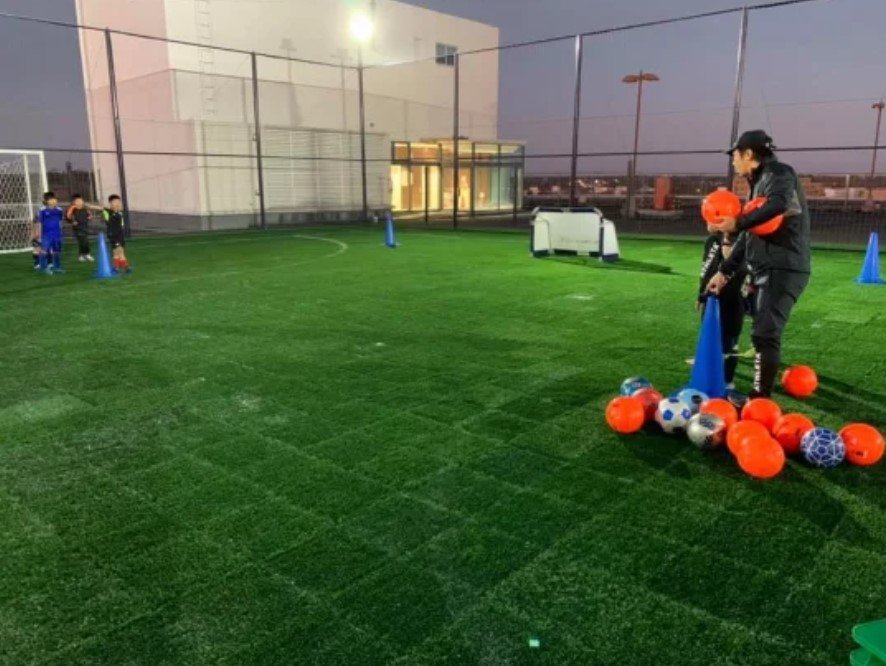
Football turf carpet has become one of the most important innovations in modern sports infrastructure. From professional stadiums to school playgrounds and rooftop mini-fields, artificial turf is now widely used as a practical alternative to natural grass. Its durability, low maintenance needs, and consistent playing surface make it a preferred choice for clubs, academies, and sports facility developers worldwide.
In this article, we will explore everything about football turf carpet, including its types, benefits, Pet Turf Installation Los Angeles process, cost factors, maintenance, and why it is becoming increasingly popular in both urban and rural sports development.
What is Football Turf Carpet?
Football turf carpet is a synthetic surface designed to replicate natural grass used in football fields. It is made from artificial fibers such as polyethylene or polypropylene that are stitched into a backing material. The surface is usually filled with infill materials like silica sand and rubber granules to provide cushioning and realistic ball movement.
Unlike natural grass, turf carpets do not grow, need watering, or require mowing. Instead, they are engineered to maintain a consistent playing experience in all weather conditions.
Types of Football Turf Carpet
There are several types of artificial turf used in football fields, depending on usage level and budget:
1. Monofilament Turf
This type uses single-strand fibers that look more natural and are highly durable. It is commonly used in professional football grounds.
2. Fibrillated Turf
Fibrillated turf consists of split fibers that form a mesh-like structure. It is more affordable and suitable for schools and training fields.
3. Hybrid Turf
Hybrid systems combine natural grass with synthetic fibers. This type is often used in elite stadiums where both durability and natural feel are required.
4. 3G Artificial Turf
Third-generation (3G) turf includes long synthetic fibers with rubber and sand infill, offering excellent shock absorption and ball control.
Benefits of Football Turf Carpet
Football turf carpet offers several advantages over natural grass, making it a preferred choice worldwide.
1. Low Maintenance
Natural grass requires watering, mowing, fertilizing, and constant care. Artificial turf eliminates most of these costs and efforts.
2. All-Weather Usability
Rain or shine, turf fields remain playable. There are no muddy patches or waterlogging issues.
3. Durability
A high-quality turf carpet can last 6–10 years depending on usage, making it a long-term investment.
4. Consistent Playing Surface
Unlike natural grass, turf provides uniform ball bounce and movement across the entire field.
5. Cost Efficiency Over Time
Although initial installation costs are higher, long-term maintenance costs are significantly lower.
6. Multi-Use Facility
Turf fields can be used for football, training sessions, school sports, and even community events.
Installation Process of Football Turf Carpet
Installing football turf requires careful planning and professional execution. The process generally includes:
Step 1: Ground Preparation
The area is cleared, leveled, and compacted to create a stable base.
Step 2: Base Layer Installation
A drainage system and crushed stone layer are added to ensure proper water flow.
Step 3: Shock Pad (Optional)
Some installations include a shock-absorbing layer to reduce injury risk.
Step 4: Turf Laying
The artificial turf rolls are spread across the field and joined using adhesive or stitching.
Step 5: Infill Application
Sand and rubber granules are added to stabilize the fibers and improve performance.
Step 6: Final Grooming
The surface is brushed to ensure even distribution and a natural look.
Cost of Football Turf Carpet
The cost of installing football turf carpet depends on several factors:
- Quality of turf material
- Size of the field
- Type of infill used
- Installation complexity
- Location and labor cost
On average, artificial football turf installation can range from moderate to high investment, but it pays off over time due to low maintenance expenses.
Maintenance of Artificial Turf
Even though turf is low maintenance, some basic care is still required:
- Regular brushing to keep fibers upright
- Removing debris like leaves and dust
- Checking and redistributing infill materials
- Cleaning spills or stains
- Inspecting seams and edges for damage
Proper maintenance can significantly extend the lifespan of the turf.
Environmental Impact
Modern football turf carpets are designed to be more eco-friendly than before. They reduce water usage, eliminate the need for chemical fertilizers, and minimize carbon emissions from lawn maintenance equipment. However, concerns about microplastics from infill materials are being addressed through newer sustainable technologies.
Where Football Turf Carpet is Used
Football turf is widely used in:
- Professional stadiums
- School and college playgrounds
- Sports academies
- Rooftop mini football fields
- Community sports centers
- Indoor training facilities
Its versatility makes it suitable for both small and large-scale projects.
Future of Football Turf Technology
The future of football turf carpet, is focused on improving realism, safety, and sustainability. Innovations include:
- Eco-friendly infill materials
- Better shock absorption systems
- UV-resistant fibers for longer lifespan
- Smart turf systems with embedded sensors for performance tracking
As sports technology advances, artificial turf will continue to evolve and become even more realistic and environmentally friendly.
Conclusion
football turf carpet has revolutionized modern sports infrastructure by providing a durable, low-maintenance, and all-weather playing surface. Whether for professional stadiums or small community fields, it offers unmatched convenience and performance consistency.
While the initial investment may be higher than natural pet friendly artificial grass, its long-term benefits make it a cost-effective and practical solution for football facilities around the world. As technology improves, artificial turf is expected to become even more advanced, sustainable, and widely adopted in the future.
